Introduction – Outdoor Safety Basics
Heading outdoors—whether camping, hiking, or exploring remote trails—is one of life’s most rewarding experiences. The fresh air, stunning scenery, and sense of adventure make it an unforgettable escape from everyday life. But nature doesn’t come with instructions, and even small mistakes can turn a fun trip into a stressful—or dangerous—situation.
That’s why every camper and hiker needs to understand the basics of outdoor safety. From knowing what gear to pack, to learning simple survival skills, and being prepared for emergencies, outdoor safety is the difference between a safe adventure and an avoidable disaster.
Whether you’re planning your first camping trip or are a seasoned hiker, this guide will walk you through:
-
Essential outdoor safety tips that every camper should know
-
The gear and tools that can prevent accidents and make your trip safer
-
How to handle emergencies, from injuries to sudden weather changes
-
Practical steps to stay aware of your surroundings and wildlife.
Following these tips not only keeps you safe—it also makes your experience more enjoyable. Imagine sitting around a campfire, relaxed and confident, knowing you’re fully prepared. That’s the peace of mind outdoor safety gives.
1. Plan Ahead and Stay Informed
The first step to staying safe outdoors is preparation. Careful planning ensures you’re ready for unexpected situations, from sudden weather changes to tricky terrain. A little preparation can prevent stress, injury, and even life-threatening emergencies.
That’s why every camper and hiker needs to understand the basics of outdoor safety. From knowing what gear to pack, to learning simple survival skills, and being prepared for emergencies, outdoor safety is the difference between a safe adventure and an avoidable disaster.
Research Your Destination:
Before heading out, learn everything you can about your campsite, trail, or outdoor area. Check:
-
Trail difficulty and terrain type
-
Local wildlife and potential hazards
-
Campsite rules and regulations
Knowing your environment helps you pack the right gear, plan your route, and avoid dangerous situations.
Check the Weather:
Weather can change quickly, even on seemingly perfect days. Check local forecasts and trail conditions before you go. Be prepared for rain, extreme heat, or cold nights. Pack gear like waterproof jackets, insulated layers, or sun protection accordingly.
Share Your Plan:
Always tell someone where you’re going and your expected return time. Provide:
-
Route details or trail maps
-
Estimated check-in times
-
Emergency contact numbers
This simple step is a critical safety measure if you encounter an accident or get lost.
Bring a Backup Navigation Method:
Even if you rely on GPS or your phone, bring a paper map and compass. Batteries die, and cell service may be unreliable in remote areas. Knowing how to use these tools is an essential outdoor skill.
2. Essential Safety Gear You Can’t Forget
Carrying the right gear is one of the most important steps to staying safe outdoors. Even a short hike or overnight camping trip can turn risky if you don’t have the right tools at hand. Here’s a comprehensive list of the essentials every camper or hiker should pack:
First Aid Kit:
A well-stocked first aid kit can be a lifesaver. It should include:
-
Bandages and gauze for cuts and scrapes
-
Antiseptic wipes or creams
-
Pain relievers and anti-inflammatory medication
-
Tweezers and scissors
-
Blister treatment and burn relief
Pro Tip: Keep your first aid kit in an easily accessible pocket or compartment in your backpack.
Navigation Tools:
Getting lost is a top cause of outdoor emergencies. Pack:
-
A reliable compass
-
A paper map of your trail or area
-
A GPS device or app on your phone
Knowing how to use these tools is crucial. Don’t rely solely on your phone—technology can fail in remote areas.
Communication Devices:
Even in the wilderness, staying connected can save lives:
-
Fully charged smartphone
-
Portable battery pack
-
Satellite messenger or personal locator beacon for remote areas
Lighting:
Proper lighting ensures you can move safely after dark:
-
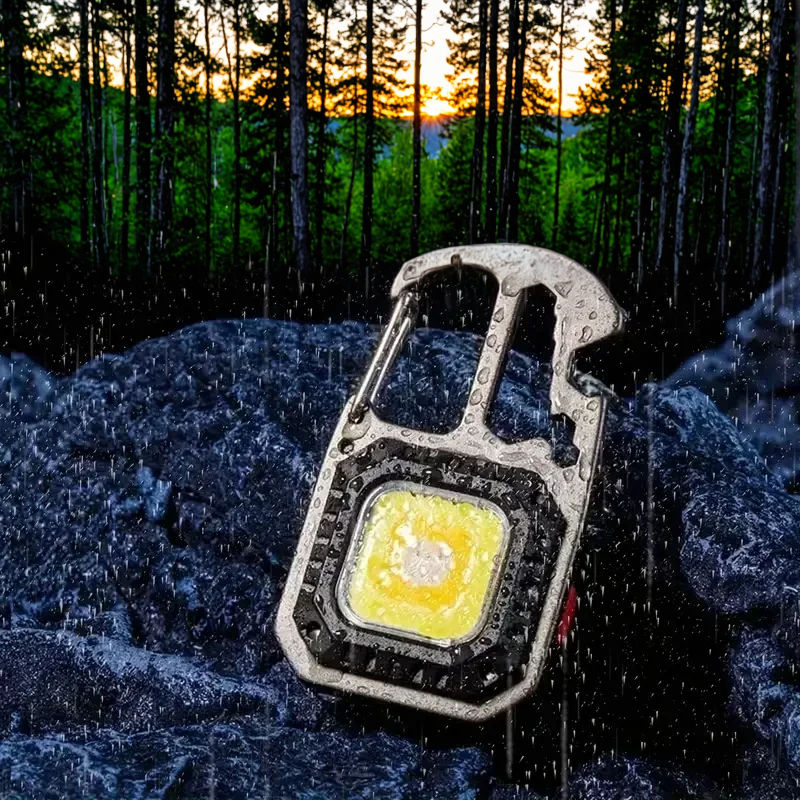
Headlamps for hands-free illumination
-
Flashlights with extra batteries
Tip: Opt for LED lights—they last longer and are more energy-efficient.
Water and Hydration:
Dehydration is a common issue outdoors. Always bring:
-
Enough water for your trip
-
Portable water filtration systems or purification tablets
-
Hydration packs for long hikes
Optional Safety Tools:
These can further protect you and make emergencies manageable:
-
Multi-tools or knives for survival situations
-
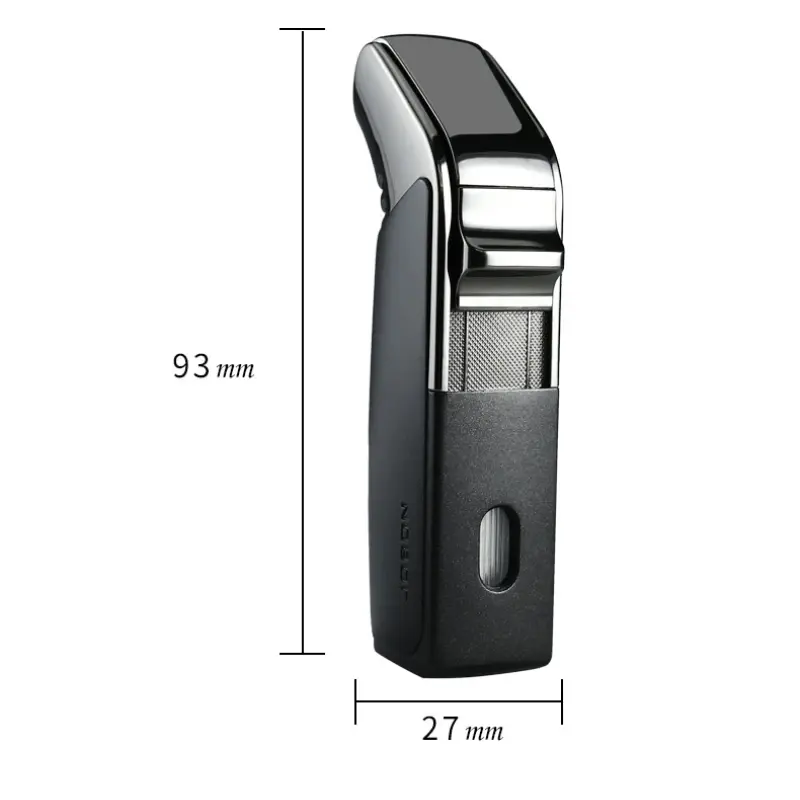
Fire starter kits for warmth and signaling
-
Whistle and reflective gear to attract help
3. Learn Basic Survival Skills
Even with the best gear, knowing how to handle unexpected situations is just as important as packing the right equipment. Learning basic survival skills ensures that you can stay safe, calm, and in control no matter what nature throws your way.
Fire Safety and Building:
-
Learn to start a fire safely using a fire starter, matches, or lighter.
-
Know where and how to build a fire without harming the environment.
-
Keep water or sand nearby to quickly extinguish the fire if needed.
Fire is not just for warmth—it’s essential for cooking, signaling for help, and keeping wildlife at a distance.
Basic First Aid Knowledge:
Understanding basic first aid can prevent minor injuries from becoming major problems:
-
Treat cuts, scrapes, and blisters immediately
-
Know how to manage sprains or fractures
-
Learn CPR and how to handle sudden allergic reactions
Tip: Even a short online course in first aid or wilderness first aid can make a huge difference.
Navigation and Orientation:
-
Learn to read maps and use a compass.
-
Understand natural navigation clues like the sun’s position and landmarks.
-
Always carry a backup navigation method even if you have GPS.
Getting lost is a leading cause of outdoor accidents—knowing your way can save hours and prevent panic.
Edible and Hazardous Plants:
-
Learn to identify local edible plants and berries.
-
Avoid unknown plants that could be poisonous.
-
Be aware of plants that cause skin irritation (like poison ivy).
Knowing your environment reduces risk and can even supplement your food in emergencies.
Wildlife Awareness:
-
Understand the animals in your area and how to avoid dangerous encounters.
-
Store food properly to avoid attracting wildlife.
-
Know the proper way to react if you encounter a wild animal.
Emergency Mindset:
-
Stay calm—panic worsens any situation.
-
Assess risks before taking action.
-
Use your survival knowledge and gear strategically.
4. Emergency Preparedness
Even the most experienced campers can encounter unexpected situations. Being prepared for emergencies isn’t just smart—it can save lives. Emergency preparedness combines planning, gear, and knowledge to help you respond effectively if something goes wrong.
Create an Emergency Plan:
Before your trip, establish a plan with your group:
-
Identify meeting points in case someone gets separated
-
Agree on communication signals or codes
-
Know your exit routes and nearest emergency services
Pro Tip: Write your plan down and keep a copy in your backpack for quick reference.
Carry a Whistle and Signaling Gear:
-
A whistle can be heard over long distances and alerts rescuers.
-
Reflective clothing or gear can help make you visible in low-light conditions.
-
Mirrors or other signaling tools are also helpful in wilderness emergencies.
Even small, lightweight items can make a big difference if you need help.
Know Emergency Contacts:
-
Have local ranger stations or park authorities’ contact numbers
-
Save emergency services numbers in your phone
-
Share your trip itinerary with someone you trust
Tip: Satellite messengers or personal locator beacons are a must for remote areas with no cell service.
Pack an Emergency Kit:
An emergency kit should be lightweight, compact, and include:
-
Fire starter or waterproof matches
-
Multi-tool or knife
-
First aid supplies
-
Extra food and water
-
Emergency blanket or shelter
Stay Calm and Assess the Situation:
-
Evaluate risks before taking action
-
Use your gear strategically
-
Prioritize safety for yourself and others in your group
Remaining calm is often the most powerful tool in any emergency. Panic can worsen any situation, but a clear head paired with the right gear can make all the difference.
5. Personal Safety Tips
Personal safety is just as important as having the right gear. Simple habits and awareness can prevent accidents and keep you safe while enjoying the outdoors.
Stick to Marked Trails:
-
Avoid shortcuts, unmarked paths, or restricted areas.
-
Trails are designed to reduce risks like steep drops, loose rocks, or hidden hazards.
-
Following marked routes helps rescuers locate you quickly in an emergency.
Travel with a Buddy:
-
Hiking or camping with a partner increases safety and reduces the risk of being stranded alone.
-
Partners can provide first aid, help navigate, and keep each other motivated.
-
If you must go solo, always share your plans with someone and check in regularly..
.
Be Aware of Your Surroundings:
-
Watch for sudden changes in weather or terrain.
-
Keep an eye out for wildlife and know how to react safely.
-
Avoid risky activities like climbing unstable rocks or wading through fast-moving water.
Practice Situational Awareness:
-
Stay alert and minimize distractions from phones or music when in risky areas.
-
Notice landmarks, trail markers, and natural features to avoid getting lost.
-
Keep an eye on group members to ensure everyone is safe and accounted for.
Respect Nature and Follow Leave No Trace:
-
Do not disturb wildlife or damage plants.
-
Carry out all trash and follow local rules to prevent hazards.
-
Properly store food to avoid attracting animals.
Following these habits not only protects you but also preserves the environment for future campers.
Optional Safety Gear for Personal Protection:
-
Whistle and reflective clothing
-
Personal first aid kit
-
Compact flashlight or headlamp
6. Recommended Gear for Safety
Having the right gear can make your outdoor adventure safer, easier, and more enjoyable. Here’s a curated list of essential items every camper and hiker should have on hand:
1. First Aid Kits
Compact and complete kits for emergencies. Include: bandages, antiseptics, tweezers, and blister treatment. Perfect for treating minor injuries quickly.
2. Waterproof Storage Bags
Protect electronics, important documents, and valuables from water damage. These bags are lightweight, durable, and essential for any trip.
3. LED Flashlights & Headlamps
Hands-free lighting for night hiking, campsite setup, or emergencies. LED lights last longer and are energy-efficient. Always carry extra batteries.
4. Emergency Survival Kits
Fire starter, knife, multi-tools, emergency blanket, and compact first aid essentials. A must-have for unexpected situations.
5. Whistles & Reflective Gear
Helps signal for help in low-light conditions or if you get lost. Lightweight and easy to carry, these items can literally save your life.
Investing in quality gear ensures that even beginners can have a safe, confident outdoor experience. Combining these tools with knowledge and preparedness creates a strong foundation for safe adventures.
Closing Note from TrailTrek Supply:
At TrailTrek Supply, your safety and experience in the outdoors are our top priorities. From me, the CEO, and our entire team, we want you to feel confident, prepared, and inspired on every adventure.
We pour love, care, and expertise into every product we recommend, every guide we create, and every checklist we design. Your trust motivates us to provide the best gear and advice for your journey.
“Adventure safely, explore boldly, and remember—we’ve got your back every step of the way.”
– Michael, CEO, TrailTrek Supply Team
Gear Up for Safety on Every Adventure
Before you head out, make sure you’ve got the right essentials to handle whatever nature throws your way.
Our handpicked collection of outdoor safety gear is built for real campers — people who hike, explore, and live for the trail.
From first aid kits and waterproof storage to flashlights, fire starters, and multi-tools, every product we carry has one purpose: keeping you safe and prepared in the wild.
Shop Outdoor Safety Essentials → Trusted gear for every trail, every trip, every time.
With love and support from me, Michael Golden, and the TrailTrek Supply Team — we’re here to keep your adventures safe and unforgettable